
In the high-speed market of 2026, waiting for a customer to make a move is already too late. Success now depends on foresight. Predictive Analytics in Marketing: How to Anticipate Customer Needs is the blueprint for moving from a reactive strategy to a proactive one by leveraging data to see around corners.
By using historical data, machine learning, and statistical algorithms, marketers can now identify patterns that human observation might miss. Here is how predictive analytics is transforming the industry.
1. Understanding the Core Mechanism
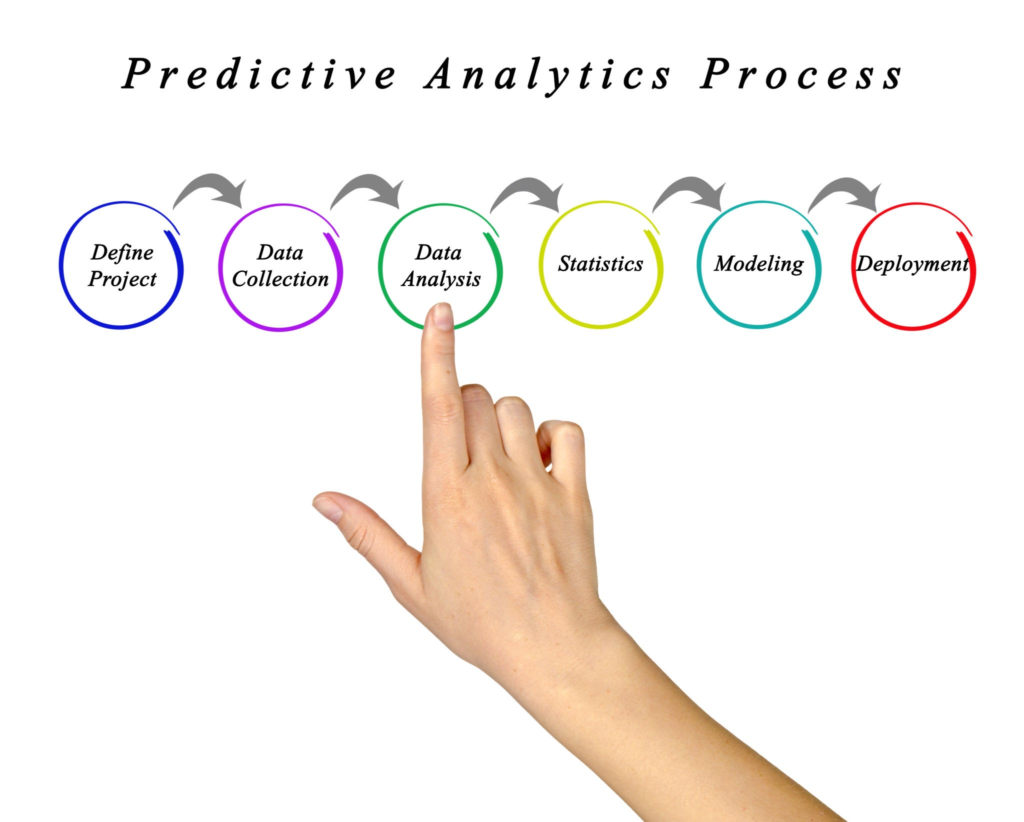
Predictive analytics doesn’t just look at what happened; it calculates the probability of what will happen next. By feeding massive datasets—such as past purchase history, website clicks, and social media sentiment—into AI models, brands can forecast future behavior with startling accuracy.
2.Precision Lead Scoring
Not all leads are created equal. Predictive analytics allows marketing teams to rank potential customers based on their likelihood to convert.
- Behavioral Triggers: The system identifies specific actions (like downloading a whitepaper and visiting a pricing page twice) that correlate with a high purchase intent.
- Efficiency: Instead of broad-spectrum outreach, sales teams focus 100% of their energy on the “hottest” prospects, drastically increasing ROI.
- Hyper-Personalization at Scale
In 2026, “Dear [First Name]” is no longer enough. Predictive Analytics in Marketing: How to Anticipate Customer Needs enables brands to suggest products before the customer even realizes they need them.
Replenishment Cycles: If data shows a customer buys skincare products every 45 days, the system triggers a discount code on day 40.
Recommendation Engines: Like Netflix or Amazon, these systems analyze millions of data points to present the “Next Best Offer” tailored to an individual’s specific taste.
4. Churn Prevention (Keeping Your Customers)
It is far cheaper to keep a customer than to acquire a new one. Predictive models can flag “at-risk” customers by detecting a drop in engagement or a change in usage patterns.
The Proactive Save: Once a customer is flagged as a churn risk, the system can automatically send a personalized “We Miss You” offer or a customer service check-in to resolve issues before they leave for a competitor.
5. Optimizing Marketing Spend
Predictive analytics takes the guesswork out of budgeting. By simulating different scenarios, marketers can predict which channels (e.g., Video vs. Search) will yield the best results for a specific campaign. This ensures that every dollar is allocated to the touchpoints that historically lead to the highest lifetime value (LTV).
Summary of Benefits
Higher Conversion: You reach the right person at the right time.
Improved Loyalty: Customers feel “understood” because your brand anticipates their needs.
Waste Reduction: No more “spray and pray” advertising.